If you live in the Treasure Valley, "outdoor lifestyle" isn't a marketing phrase — it's just Tuesday. Floating the Boise River, hiking the Foothills, golfing in Eagle, or spending a Saturday at a kid's soccer tournament in Meridian all add up to serious sun exposure, and most of it happens without anyone thinking twice about reapplying sunscreen. At Treasure Valley Dermatology, we see the results of that math every summer: new sunspots, early fine lines, and skin cancers that trace back to decades of casual exposure nobody tracked.
Patients ask us constantly which product is the dermatologist recommended sunscreen worth buying, and the honest answer is that the "best" sunscreen is the one you'll actually wear correctly and reapply. That said, there are real differences between formulas, and understanding them matters more in Idaho than people expect. Boise sits at roughly 2,700 feet of elevation, and UV intensity increases with elevation, which means Treasure Valley skin takes a harder hit than sea-level skin does at the same time of day.
**Why Mineral Sunscreen Keeps Coming Up**
A lot of what patients hear about sunscreen online is contradictory, which is part of why we wrote a separate breakdown of what Boise skin actually needs from a sunscreen label. But at a high level, the reason a dermatologist recommended mineral sunscreen comes up so often in our conversations with patients is straightforward: zinc oxide and titanium dioxide sit on top of the skin and physically reflect UV rays, rather than absorbing into the skin and converting UV energy into heat the way chemical filters do. For most patients, both approaches work when applied correctly and reapplied every two hours. But mineral formulas tend to be gentler on compromised or reactive skin, which is exactly why we lean on them for specific patient groups.
**Who Actually Needs Mineral Over Chemical**
Three types of patients consistently do better with mineral formulas:
Patients with rosacea, who often find that chemical sunscreen filters trigger the same flushing and burning as other known rosacea triggers, and who tend to tolerate zinc-based formulas far better, especially during the summer months when rosacea flares tend to intensify anyway.
Patients recovering from a procedure — post-peel, post-laser, or healing from a biopsy — whose skin barrier is temporarily more permeable and reactive.
Patients actively dealing with melasma, since mineral sunscreens with iron oxide offer protection against visible light in addition to UV, which matters because visible light alone can worsen melasma. If you're trying to sort out whether what you're seeing is melasma or general sun damage, sunscreen choice is part of that conversation either way.
**Sensitive Skin Needs a Different Checklist**
If your skin reacts to new products — redness, stinging, small bumps, that tight feeling — you're not imagining it, and you're not alone. A dermatologist recommended sunscreen sensitive skin patients can actually tolerate usually has a short ingredient list, skips fragrance entirely, and relies on mineral filters rather than a cocktail of chemical ones. Patients with known eczema should pay particular attention here, since many of the eczema triggers Idaho patients overlook turn out to be hiding in everyday skincare products, sunscreen included. The same logic applies to anyone managing eczema on darker skin tones, where irritation can also leave behind pigment changes that take months to fade.
A quick patch test on the inside of your forearm for a few days before slathering a new sunscreen on your face will save you a lot of frustration — and a call to our office asking what suddenly broke you out.
**The Idaho-Specific Reasons This Matters**
This isn't generic sunscreen advice we'd give in any state. Idaho's combination of high elevation, dry air, and a genuine outdoor culture creates a sun exposure pattern that's easy to underestimate. We've written at length about why outdoor workers in Idaho face higher melanoma risk than most people realize, and the same exposure curve applies to weekend warriors, not just construction crews and landscapers. If you've ever ended a float trip with skin that blistered and peeled days later, that's not just a bad burn — it's worth knowing when peeling skin warrants a dermatologist visit rather than just aloe and ibuprofen.
Daily, consistent sunscreen use is also one of the few things that meaningfully reduces your long-term risk for both skin cancer and the kind of precancerous spots we discuss in our piece on actinic keratoses. We also talk to patients about prevention beyond topical products during skin cancer screenings, including oral options like niacinamide for skin cancer prevention in higher-risk patients.
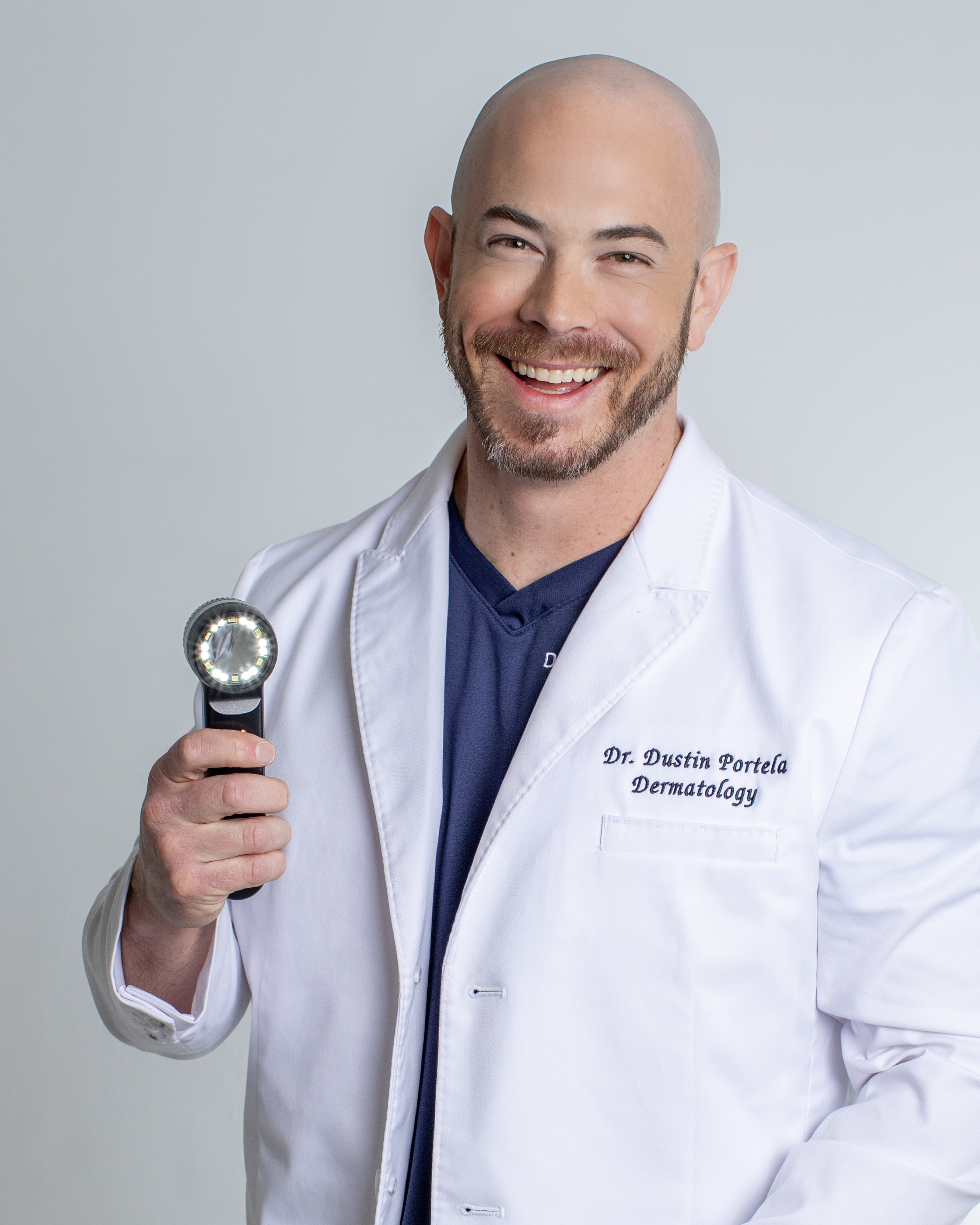
**What Dr. Portela, Dr. Ferrell, and Dr. Butters Actually Tell Patients**
Our providers don't push a single brand — formulations change, and what works for one patient's skin doesn't always work for another's. What we do consistently recommend is broad-spectrum SPF 30 or higher, water resistance if you're sweating or swimming, a nickel-sized amount for the face alone, and reapplication every two hours outdoors regardless of SPF number. For patients with rosacea, melasma, sensitive skin, or a history of skin cancer, we typically steer toward mineral formulas first, both for comfort and because they hold up well against the intense UV exposure that comes with Idaho's elevation.
If you're not sure which formula fits your skin, or if you've noticed new spots, changing moles, or sun damage you want evaluated, our team at both the Meridian and Boise offices can walk through your skin history and build a sun protection plan that actually matches how you live — river days, ski season, and everything between.