
Melasma
Noticed brown or gray patches across your upper lip, cheeks, or forehead? Our board-certified dermatologists can help you understand what's causing your melasma and build a plan to manage it.

Understanding That Stubborn Discoloration Above Your Lip
If you've noticed a faint brown or gray shadow settling above your upper lip, you're not imagining it, and you're not alone. This pattern, sometimes called a "melasma mustache," is one of the most common ways melasma shows up on the face, and it can feel frustrating no matter how much concealer or sunscreen you use.
Idaho's high-altitude sun exposure and our long, bright summers make melasma especially persistent for people living in the Treasure Valley. Between hiking, boating on the reservoir, and everyday errands, UV exposure adds up quickly, and it can make existing pigmentation darker or trigger new patches to form.
Dr. Dustin Portela, Dr. Kelsey Ferrell, and Dr. Ben Buttars see patients dealing with this exact concern every week. You do not have to figure this out on your own or rely on trial-and-error with drugstore products.
What Melasma Is
Melasma is a common skin condition that causes patches of darker pigmentation, most often on the face. It develops when pigment-producing cells in the skin become overactive, often triggered by a combination of factors.
- Frequently appears above the upper lip, across the cheeks, on the forehead, or along the jawline
- More common in women, though men can develop it too
- Often linked to sun exposure, hormonal changes, pregnancy, birth control, or genetics
- Tends to worsen with UV exposure, heat, and certain skincare or hair-removal habits
- Not harmful to your health, but can be persistent and slow to respond without a targeted plan
- Can look similar to other pigmentation issues, which is why an accurate diagnosis matters
What to Expect at Your Visit
Your first appointment is focused on understanding your skin, your history, and what may be driving your melasma before recommending treatment.
- A thorough skin exam and discussion of your medical history, sun exposure habits, and any hormonal factors
- A personalized care plan that may include topical prescriptions, gentle in-office treatments, or a combination approach
- Guidance on daily sun protection, since consistent SPF use is essential to any melasma plan
- Follow-up visits to monitor progress and adjust your plan as your skin responds
- Most in-office treatments involve minimal downtime, though some mild redness or flaking can occur temporarily
- Treatment timelines vary, and many patients find gradual, steady improvement over several weeks to months rather than overnight change
What Results Typically Look Like
Melasma is a manageable condition, but it's also one that can recur, especially with sun exposure or hormonal shifts. Many patients find their pigmentation becomes noticeably lighter and more even with consistent treatment and diligent sun protection.
- Visible fading is often gradual, with many patients noticing improvement over 6 to 12 weeks of consistent care
- Maintenance is typically part of long-term management, since melasma can return without ongoing sun protection
- Results vary from person to person depending on how long the pigmentation has been present and what's triggering it
- Daily broad-spectrum sunscreen is one of the most important factors in maintaining progress
Who This Treatment Is For
Melasma treatment at Treasure Valley Dermatology is designed for anyone noticing unwanted facial discoloration who wants an accurate diagnosis and a realistic plan.
- Adults noticing brown or gray patches above the lip, on the cheeks, or across the forehead
- Women experiencing pigmentation changes during or after pregnancy
- Patients whose melasma has worsened with birth control, hormone therapy, or sun exposure
- Anyone who has tried over-the-counter products without seeing meaningful change
- Patients with any skin tone, since melasma can affect a wide range of complexions
- Adults of any age who spend significant time outdoors and want a plan tailored to Idaho's sun and altitude
Frequently Asked Questions
Why does melasma show up above the lip specifically?
The upper lip is a common site for melasma because the skin there is thin and highly reactive to UV light and hormonal changes. This pattern is sometimes nicknamed a "melasma mustache," and it's one of the most frequently treated presentations we see in the office.
Can melasma be treated permanently?
Melasma tends to be a chronic condition that responds well to treatment but can return, particularly with sun exposure or hormonal triggers. Our goal is to help you achieve significant improvement and give you a maintenance plan to keep it under control long term.
Will I need to stop wearing makeup or sunscreen during treatment?
No, and in fact daily broad-spectrum sunscreen is one of the most important parts of your care plan. We'll guide you on which products support your treatment and which ingredients to avoid while your skin is healing.
Is melasma treatment safe during or after pregnancy?
Many melasma cases are linked to pregnancy hormones, and we take extra care when recommending treatment for patients who are pregnant or breastfeeding. Dr. Portela, Dr. Ferrell, and Dr. Buttars will review your history carefully and recommend options that are appropriate for your situation.
How long until I see a difference?
Most patients begin noticing gradual improvement within 6 to 12 weeks of starting a consistent care plan, though this varies based on how long the pigmentation has been present. Your provider will set realistic expectations for your specific skin during your visit.
Why Treasure Valley Dermatology
Patients across the Treasure Valley trust Dr. Dustin Portela, Dr. Kelsey Ferrell, and Dr. Ben Buttars for melasma care that goes beyond a quick prescription. All three are board-certified dermatologists who take time to understand what's actually driving your pigmentation, rather than treating symptoms in isolation.
- Three board-certified dermatologists with a reputation for being "committed to identifying the underlying causes" of skin concerns
- 700+ five-star reviews from patients who describe the practice as "a breath of fresh air"
- Full-family dermatology care for melasma, acne, skin cancer screenings, and cosmetic concerns under one roof
- Two convenient locations in Boise and Meridian, serving Eagle, Nampa, Caldwell, Star, Kuna, and surrounding communities
- A warm, unhurried patient experience where, as one patient put it, "you still feel like you're their only patient"
Ready to Talk to a Dermatologist About Your Melasma?
You don't have to keep guessing about what's causing that discoloration above your lip or across your cheeks. Dr. Portela, Dr. Ferrell, Dr. Buttars, and the team at Treasure Valley Dermatology can give you a clear diagnosis and a realistic care plan built around your skin and your lifestyle.
Schedule a visit today at dermatologyboise.com/schedule-an-appointment or call one of our two Treasure Valley locations in Boise or Meridian to get started.
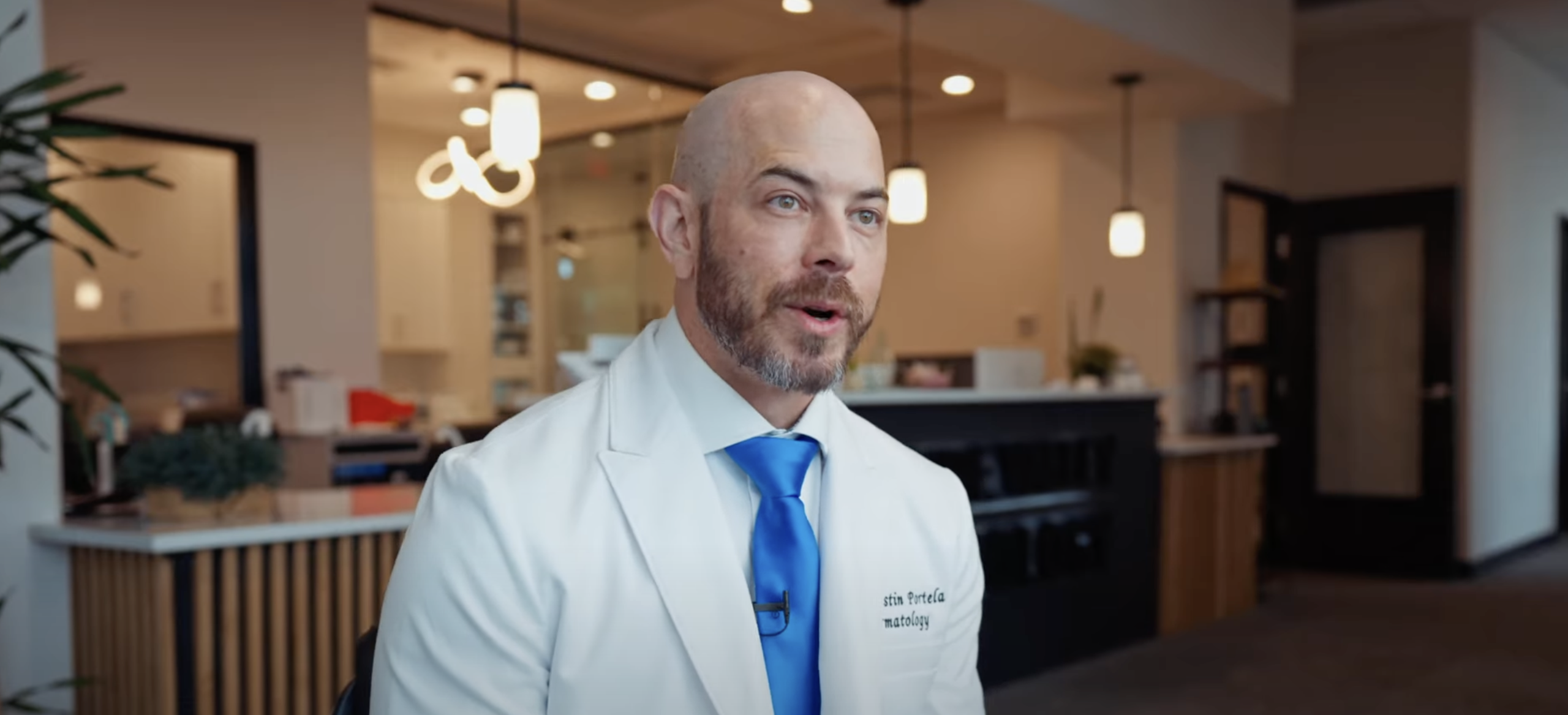
Boise's skin experts
We specialize in treating both children and adults with both common and uncommon skin problems. We treat acne, warts, hair loss, eczema, skin cancer, itchy skin, perform skin checks, have a comprehensive skin cancer prevention system and offer many more services.