
Hair Loss (Alopecia)
Noticing more hair in your brush, shower drain, or on your pillow? Treasure Valley Dermatology helps patients of all ages find answers and a care plan for hair loss and alopecia.

Watching Your Hair Thin Can Feel Overwhelming, You Don't Have to Figure It Out Alone
Hair loss can show up gradually or seem to happen overnight, and either way, it can shake your confidence. Many patients tell us they noticed thinning at the part line, patches on the scalp, or handfuls of hair after a shower and didn't know whether it was stress, genetics, or something else entirely.
Idaho's dry climate, high-altitude sun exposure, and seasonal changes can all play a role in scalp health, but hair loss almost always has an underlying cause worth identifying. You deserve a dermatologist who takes the time to find out why, not just treat the surface.
What Is Alopecia, and What Causes Hair Loss?
Alopecia is a general medical term for hair loss, and it comes in many forms with different causes and treatment approaches. Dr. Portela, Dr. Ferrell, and Dr. Buttars evaluate the scalp, hair growth cycle, and overall health history to determine the type of hair loss before recommending treatment.
- Androgenetic alopecia: the most common form, often called male or female pattern hair loss, tied to genetics and hormones
- Alopecia areata: an autoimmune condition causing round patches of hair loss, sometimes affecting children and teens
- Telogen effluvium: temporary shedding often triggered by stress, illness, medication changes, or postpartum hormone shifts
- Traction alopecia: hair loss from tension caused by tight hairstyles or repeated pulling
- Scarring alopecia: less common, involves inflammation that can permanently damage hair follicles if untreated
What to Expect at Your Hair Loss Evaluation
- A thorough scalp exam and discussion of your medical history, family history, and recent life changes
- Possible bloodwork to check for thyroid issues, iron deficiency, or hormonal imbalances contributing to shedding
- A scalp biopsy in some cases, performed in-office, to confirm the type of alopecia present
- A personalized care plan that may include topical treatments, oral medications, injections, or a combination approach
- Follow-up visits to track progress and adjust the plan as your hair responds to treatment
- Most initial visits take 30 to 45 minutes, with minimal discomfort during any in-office procedures
What Results Can I Expect From Hair Loss Treatment?
Hair regrowth takes time, and patience is part of the process. Many patients find that improvement in shedding or new growth becomes noticeable over several months, since hair grows in cycles that can't be rushed.
- Some forms of alopecia, like telogen effluvium, may resolve on their own once the underlying trigger is addressed
- Androgenetic alopecia often responds to consistent, long-term treatment rather than a quick fix
- Alopecia areata can be unpredictable, with some patients experiencing regrowth and others needing ongoing management
- Early evaluation and treatment generally lead to better outcomes, especially for scarring types of alopecia
- Dr. Portela, Dr. Ferrell, and Dr. Buttars will set realistic expectations with you at every step of your care plan
Who Should See a Dermatologist for Hair Loss?
- Adults noticing gradual thinning, a widening part, or a receding hairline
- Women experiencing postpartum shedding or hormone-related hair changes
- Anyone with sudden patchy hair loss on the scalp, eyebrows, or beard
- Children and teens with round bald patches or unexplained hair loss
- Patients with a family history of pattern baldness who want to start treatment early
- Anyone recovering from illness, surgery, or significant stress and experiencing increased shedding
- Patients who have tried over-the-counter products without improvement
Frequently Asked Questions
Is hair loss always permanent?
No. Some types of hair loss, like telogen effluvium from stress or illness, are often temporary and improve once the trigger resolves. Other types, like androgenetic alopecia, are progressive and generally require ongoing treatment to manage. A dermatologist can help identify which type you're dealing with.
Can children have alopecia?
Yes, alopecia areata can affect children and teens, often appearing as sudden round patches of hair loss. TVD provides care for the whole family, and early evaluation can help guide treatment and set expectations for parents.
Will I need a scalp biopsy?
Not always. A biopsy is sometimes recommended when the type of hair loss isn't clear from the exam alone, particularly to rule out scarring alopecia. It's a well-tolerated, in-office procedure with minimal discomfort.
How long before I see improvement?
Hair grows in cycles, so most patients don't see visible changes for a few months, even with an effective treatment plan. Many patients find that consistency with their care plan matters more than any single treatment.
Do you treat hair loss related to hormones or thyroid issues?
Yes. Part of a thorough evaluation includes checking for underlying causes like thyroid dysfunction, iron deficiency, or hormonal changes. Dr. Portela, Dr. Ferrell, and Dr. Buttars are committed to identifying the underlying causes of hair loss, not just treating symptoms.
Why Treasure Valley Dermatology?
Hair loss deserves an accurate diagnosis and a dermatologist who listens. Dr. Dustin Portela, DO, board-certified dermatologist and dermatologic surgeon, and Dr. Kelsey Ferrell, DO, board-certified dermatologist and fellowship-trained Mohs surgeon, and Dr. Ben Buttars, DO, board-certified dermatologist, bring both clinical expertise and genuine care to every visit.
- Two convenient Treasure Valley locations, in Boise and Meridian
- Full-family care, from pediatric alopecia to adult pattern hair loss
- 700+ five-star reviews from patients who say they finally felt heard
- Access to clinical trials for select hair loss conditions
- A team patients describe as "a breath of fresh air," with staff who are professional, knowledgeable, and attentive
Ready to Talk to a Dermatologist About Your Hair Loss?
You don't have to guess about what's causing your hair loss or wait months for answers. Schedule a visit with Dr. Portela, Dr. Ferrell, or Dr. Buttars at our Boise or Meridian office and take the first step toward a clear diagnosis and a personalized care plan.
Book online today at dermatologyboise.com/schedule-an-appointment.
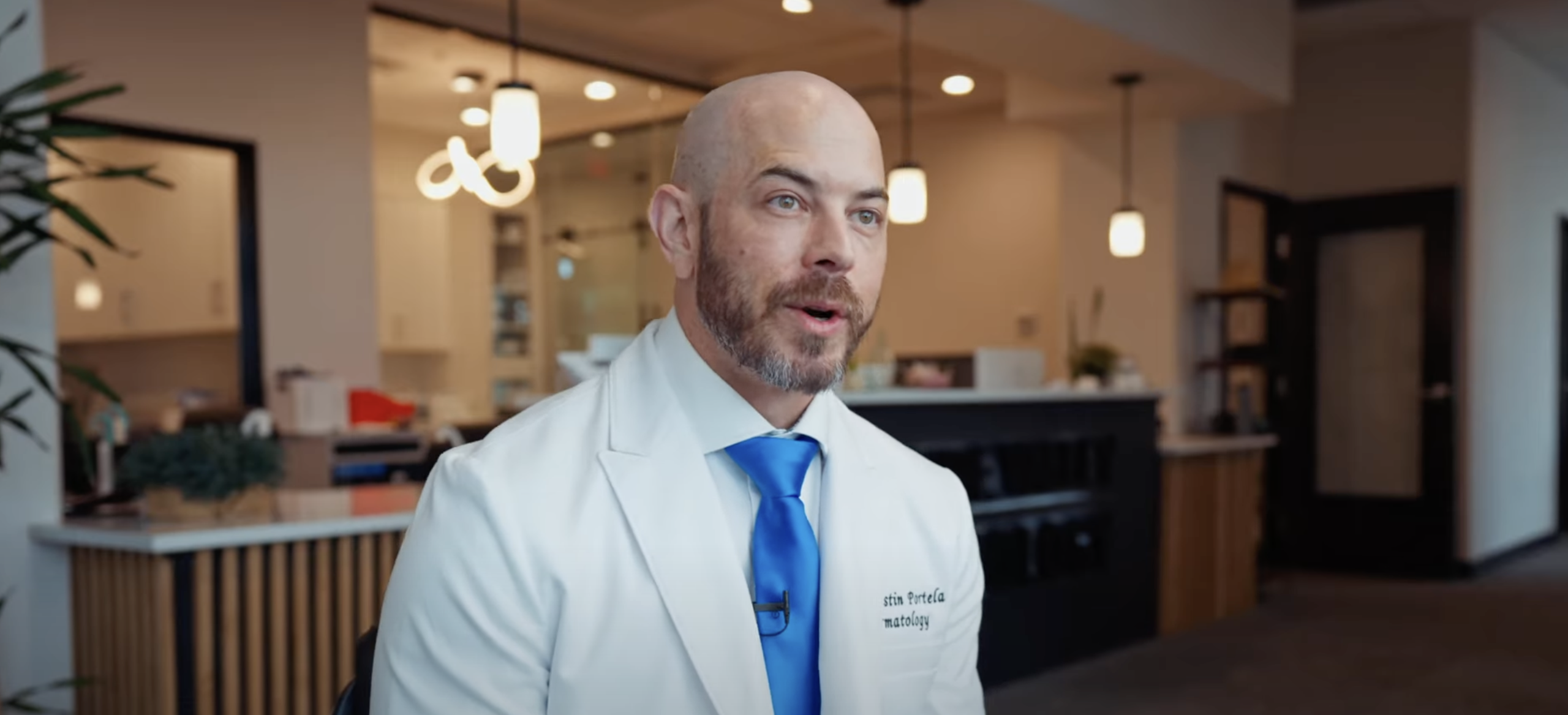
Boise's skin experts
We specialize in treating both children and adults with both common and uncommon skin problems. We treat acne, warts, hair loss, eczema, skin cancer, itchy skin, perform skin checks, have a comprehensive skin cancer prevention system and offer many more services.