
Phototherapy
Stubborn patches of psoriasis, eczema, or vitiligo can be frustrating to manage with creams alone. Phototherapy offers a well-tolerated, in-office option to help calm flare-ups and improve patches of affected skin.

When Skin Patches Won't Respond to Creams Alone
If you have lived with psoriasis, eczema, or vitiligo, you know how discouraging it can feel when topical creams and ointments only get you so far. Persistent patches of red, scaly, itchy, or discolored skin can affect your confidence and your daily comfort, especially here in Idaho where dry air, high altitude, and intense mountain and valley sun exposure can make many skin conditions harder to manage.
You are not alone, and you do not have to keep guessing at over-the-counter products. Treasure Valley Dermatology offers in-office phototherapy as a medically supervised option to help manage chronic skin conditions that affect specific patches of skin.
What Phototherapy Is
Phototherapy uses controlled, medical-grade ultraviolet (UV) light to target inflamed or discolored patches of skin. It is delivered in a clinical setting under the guidance of your dermatology provider, not through tanning beds or unsupervised home devices.
- Uses narrowband UVB light, one of the most studied and widely used wavelengths in dermatology
- Can be delivered through full-body units or targeted devices, including the XTRAC excimer laser for smaller, localized phototherapy patches
- Commonly used for psoriasis, eczema, vitiligo, and other chronic inflammatory skin conditions
- Dosing is carefully calibrated to your skin type and condition to minimize the risk of overexposure
- Available on-site at Treasure Valley Dermatology, so you do not need a referral to an outside facility
What to Expect During Treatment
- Initial evaluation: Your provider examines the affected patches and reviews your skin type, medical history, and prior treatments
- Session length: Most phototherapy sessions take only a few minutes, though visit time including check-in may run 15 to 30 minutes
- Frequency: Many patients begin with two to three sessions per week, gradually adjusted based on how the skin responds
- Sensation: Treatment is generally well-tolerated, with most patients describing mild warmth on the skin
- Downtime: There is typically no downtime, and most patients return to normal activities immediately after their session
- Skin protection: Unaffected areas are shielded during treatment to limit unnecessary UV exposure
What Results May Look Like
Phototherapy is a gradual process, and results build over a series of sessions rather than after a single visit. Many patients find their patches of psoriasis, eczema, or vitiligo become noticeably calmer over several weeks of consistent treatment.
- Some patients notice improvement in redness, scaling, or itching within four to six weeks
- Full response often takes several months of regular sessions, particularly for vitiligo or widespread psoriasis
- Maintenance sessions may be recommended to help sustain improvement over time
- Results vary by condition, skin type, and consistency of attendance, and your provider will set realistic expectations at your evaluation
Who Phototherapy May Be Right For
- Adults and children with psoriasis that has not fully responded to topical treatments
- Patients with moderate to severe eczema seeking an option beyond creams and oral medications
- People with vitiligo looking to help even out patches of depigmented skin
- Patients who prefer an in-office, medically supervised approach over unregulated home UV devices
- Anyone who has struggled to find consistent, informed dermatology care for a chronic skin condition
- Families looking for a pediatric-friendly option for their child's persistent skin patches
Frequently Asked Questions
Is phototherapy safe for long-term use?
Phototherapy has a long track record of use in dermatology and is considered a well-tolerated option when supervised by a trained provider. Your dermatologist monitors your skin closely throughout treatment and adjusts dosing to help manage cumulative UV exposure responsibly.
How is phototherapy different from tanning beds?
Phototherapy uses specific medical-grade wavelengths, primarily narrowband UVB, that are chosen for their therapeutic effect on skin conditions. Tanning beds use broad-spectrum UV light with no medical calibration or supervision, which is not a substitute for clinical phototherapy.
Can children receive phototherapy for skin conditions?
Yes, phototherapy can be an appropriate option for children with psoriasis, eczema, or vitiligo, depending on their age, skin type, and the extent of their condition. Your provider will discuss whether phototherapy is a good fit as part of your child's care plan.
How many sessions will I need before I see a difference?
Most patients attend phototherapy two to three times per week, and many begin noticing changes in their skin patches within four to six weeks. Some conditions, like vitiligo, may take longer to respond, and your provider will track progress at regular visits.
Does insurance cover phototherapy?
Phototherapy is often covered by insurance when medically necessary for conditions like psoriasis or eczema, though coverage varies by plan. Our team can help you understand your options during your consultation.
Why Choose Treasure Valley Dermatology
Treasure Valley Dermatology offers phototherapy on-site, meaning your care is coordinated directly with your dermatology provider rather than an outside facility. Patients consistently describe our team as committed to identifying the underlying causes of their skin issues, not just masking symptoms.
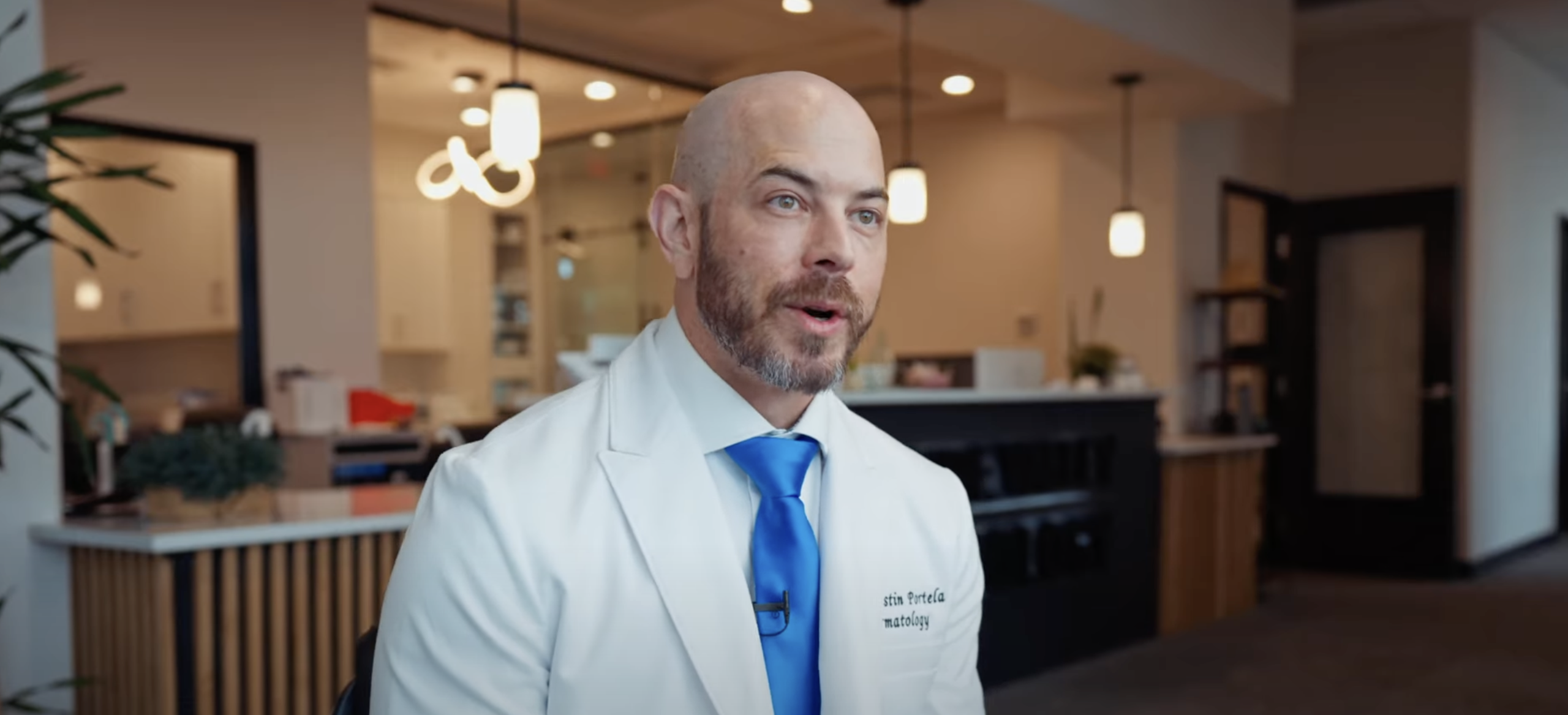
- Led by Dr. Dustin Portela, DO, a board-certified dermatologist, dermatologic surgeon, and Idaho native
- Alongside Dr. Kelsey Ferrell, DO, a board-certified dermatologist and fellowship-trained Mohs surgeon
- Dr. Ben Buttars, DO, board-certified dermatologist and Idaho native
- All three physicians are board-certified dermatologists and experts in skin cancer surgery
- 700+ five-star reviews reflecting genuine, attentive patient care
- Full-family dermatology care, from pediatric skin conditions to adult chronic disease management
- Two convenient locations serving Boise, Meridian, Eagle, Nampa, Caldwell, Star, and Kuna
- Access to clinical trials for patients seeking additional treatment options
- On-site phototherapy and XTRAC excimer laser, so care stays coordinated under one roof
Ready to Talk About Phototherapy for Your Skin?
If patches of psoriasis, eczema, or vitiligo have been frustrating to manage on your own, our team is ready to help you build a care plan that fits your skin and your life. Schedule a consultation at dermatologyboise.com/schedule-an-appointment at our Boise or Meridian location and let us help you find an approach that works.
Boise's skin experts
We specialize in treating both children and adults with both common and uncommon skin problems. We treat acne, warts, hair loss, eczema, skin cancer, itchy skin, perform skin checks, have a comprehensive skin cancer prevention system and offer many more services.