
Seborrheic Keratosis
Noticed a waxy, stuck-on spot that seems to have appeared overnight? Our board-certified dermatologists can tell you what it is and help you decide what to do about it.

That New Spot on Your Skin Is Probably More Common Than You Think
You catch a glimpse of it in the mirror or while getting dressed, a raised, waxy patch of skin that almost looks like it was stuck on rather than grown there. It might be brown, black, or tan, and it may have shown up seemingly out of nowhere.
Understandably, many patients' first thought goes straight to skin cancer. Idaho's high-altitude sun exposure and love of outdoor living mean we see a lot of new skin growths in this region, and it is always smart to have anything new or changing looked at.
The good news is that most spots like this turn out to be seborrheic keratoses, a harmless and extremely common skin growth. Our providers see these daily and can usually identify them with a simple visual exam, giving you clarity and peace of mind at the same visit. Patients may be seen by any of our providers, and every member of our team is trained to evaluate and treat skin cancer.
What Is a Seborrheic Keratosis?
A seborrheic keratosis is a benign (non-cancerous) skin growth that develops as skin cells build up on the surface. It is one of the most common noncancerous skin growths seen in adults.
- Often described as looking "stuck on" or "waxy," with a slightly raised, textured surface
- Can range in color from light tan to dark brown or black
- Typically appears on the chest, back, shoulders, scalp, or face
- May be a single spot or appear as multiple growths over time
- Becomes more common with age, particularly after 40 or 50
- Not caused by sun exposure alone, though genetics appear to play a strong role
- Not contagious and does not spread from one area of skin to another
Because seborrheic keratoses can sometimes resemble melanoma or other skin cancers at a glance, a professional evaluation is the only reliable way to confirm what you are looking at.
What to Expect at Your Visit
- Visual skin exam: One of our providers will examine the growth closely, often using a dermatoscope to look beneath the surface
- Diagnosis: Most seborrheic keratoses can be diagnosed on sight, without the need for a biopsy
- Biopsy if needed: If anything looks atypical or uncertain, a quick biopsy may be recommended for peace of mind
- Removal options if desired: Growths that are itchy, irritated, or cosmetically bothersome can often be removed during the same visit or a follow-up appointment
- Removal methods: May include cryotherapy (freezing), curettage (gentle scraping), or electrodesiccation, chosen based on the size and location of the growth
- Downtime: Most removal methods involve minimal discomfort and little to no downtime, though the treated area may be tender or scabbed for a short period afterward
- Follow-up: Many patients do not need a follow-up unless new spots develop or the area needs monitoring
What Results Look Like
If a seborrheic keratosis is simply monitored, many patients find it stays stable for years without changing much in size or color.
- Growths that are removed typically heal within one to two weeks
- Some mild redness, scabbing, or lightening of the skin may be present temporarily as the area heals
- Removed growths do not typically grow back in the same spot, though new seborrheic keratoses can develop elsewhere over time
- Because these are benign, treatment is elective and based on comfort and personal preference rather than medical necessity
Every patient's skin responds a little differently, and your provider can walk you through what to expect based on the size, location, and number of spots you have.
Who Should Have a Seborrheic Keratosis Evaluated
- Adults who notice a new, raised, or waxy-looking spot on their skin
- Patients with a spot that has changed in size, shape, or color recently
- Anyone unsure whether a growth is harmless or needs closer attention
- Patients bothered by itching, catching on clothing, or irritation from a growth
- Those who want a spot removed for cosmetic reasons
- Adults over 40, since seborrheic keratoses become more common with age
- Patients with a family history of similar skin growths
- Anyone due for a routine skin cancer screening who wants existing spots evaluated at the same time
Frequently Asked Questions
How can I tell a seborrheic keratosis apart from a skin cancer?
Seborrheic keratoses typically have a waxy, "stuck-on" appearance and a well-defined border, while skin cancers can look more irregular, ulcerated, or bleed without cause. That said, some overlap in appearance is common, which is why an in-person exam with a board-certified dermatologist is the most reliable way to know for certain.
Do seborrheic keratoses need to be removed?
Not necessarily. If a growth is confirmed benign and is not bothering you, many patients choose to simply monitor it. Removal becomes an option if it is itchy, irritated by clothing or jewelry, or if you would prefer it gone for cosmetic reasons.
Is removal covered by insurance?
Removal for medical reasons, such as irritation or uncertainty about the diagnosis, is often covered, while removal purely for cosmetic preference may not be. Our team can help you understand your options during your consultation.
Will the spot come back after treatment?
Once removed, a seborrheic keratosis typically does not return in that exact location. However, since these growths often run in families or develop with age, it is common to see new ones appear elsewhere over time.
Can children get seborrheic keratoses?
Seborrheic keratoses are rare in children and are much more common in adults, especially those over 40. If your child has a new or unusual skin growth, our providers can evaluate it to determine exactly what it is and whether any treatment is needed.
Why Treasure Valley Dermatology
- Dr. Dustin Portela, Dr. Kelsey Ferrell, and Dr. Ben Buttars are board-certified dermatologists and experts in skin cancer surgery, which means complex or uncertain growths get an expert second look without a referral out of the office
- Every new or changing spot is evaluated with the same attention, whether it turns out to be a harmless seborrheic keratosis or something requiring further care
- Patients consistently describe the practice as "a breath of fresh air," with a team that genuinely listens rather than rushing through appointments
- Over 700 five-star reviews reflect a culture where, as one patient put it, "you still feel like you're their only patient" even in a busy practice
- Full-family dermatology care under one roof, from a teenager's first skin concern to a grandparent's skin cancer screening
- Two convenient locations in Boise and Meridian serve patients throughout Eagle, Nampa, Caldwell, Star, and Kuna
- Access to clinical trials for patients interested in the latest treatment research
Get Your Skin Checked With Confidence
If you have noticed a new or unusual spot, do not spend another week wondering what it is. Our providers can give you a clear answer and, if needed, a simple treatment plan, all in one visit.
Schedule your appointment today at dermatologyboise.com/schedule-an-appointment at our Boise or Meridian location. Our team is ready to help you feel confident in your skin again.
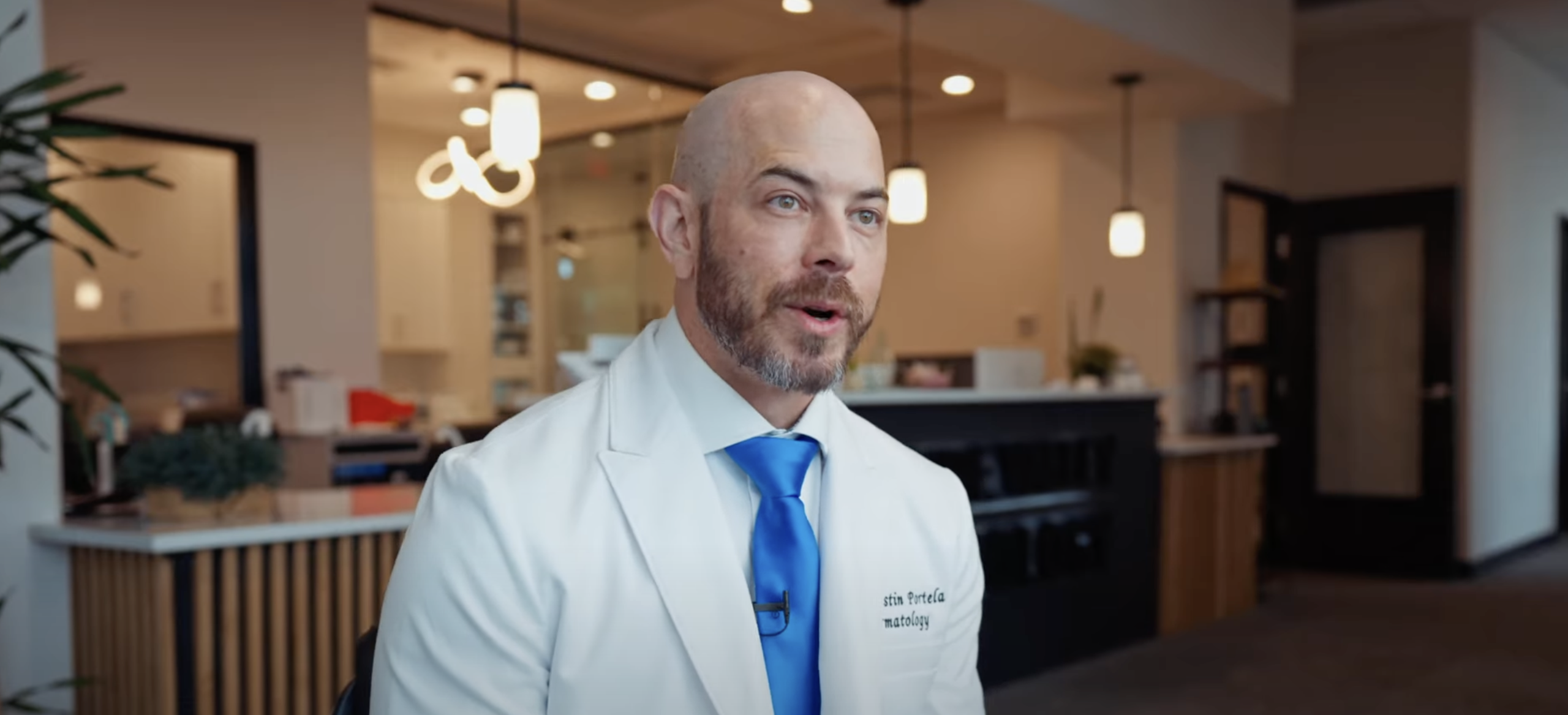
Boise's skin experts
We specialize in treating both children and adults with both common and uncommon skin problems. We treat acne, warts, hair loss, eczema, skin cancer, itchy skin, perform skin checks, have a comprehensive skin cancer prevention system and offer many more services.