
Cherry Angiomas
Noticed small, bright red spots appearing on your skin? Learn what cherry angiomas are, why home removal isn't recommended, and how Treasure Valley Dermatology can safely treat them.

Small Red Bumps That Seem to Multiply Over Time
You've probably noticed a small, bright red or purple bump on your chest, back, arms, or stomach, and maybe a few more have shown up since. They're not painful, they don't itch, but they're new, and you want to understand what's going on before you try anything on your own skin.
These are almost always cherry angiomas, one of the most common benign skin growths adults develop, especially after age 30. Idaho's high-altitude sun exposure and years of outdoor living don't cause them directly, but many patients notice them alongside other age-related and sun-related skin changes, which is exactly why a professional look at your skin matters.
What Cherry Angiomas Are
- Definition: Small clusters of dilated blood vessels (capillaries) that form a benign, dome-shaped or flat red or purple spot on the skin
- Appearance: Typically bright cherry-red, ranging from pinpoint size to about a quarter-inch across
- Common locations: Trunk, chest, back, shoulders, and arms, though they can appear almost anywhere
- Cause: Largely genetic and age-related, with increased frequency after age 30 and often more noticeable during pregnancy or with certain medications
- Behavior: Slow-growing, non-contagious, and not linked to sun exposure or skin cancer
- Bleeding risk: Can bleed noticeably if scratched, nicked while shaving, or irritated by clothing
Why "At-Home" Removal Isn't Recommended
Many patients search for ways to remove cherry angiomas at home using apple cider vinegar, tea tree oil, or over-the-counter mole and skin tag removal kits. Dr. Portela, Dr. Ferrell, and Dr. Buttars advise against this approach for a few important reasons.
- Misdiagnosis risk: Not every red spot is a cherry angioma. Some vascular or pigmented lesions can resemble one but require different evaluation
- Bleeding and scarring: Angiomas are made of blood vessels, and attempting to remove them at home can cause significant bleeding, infection, or permanent scarring
- Incomplete removal: DIY methods rarely remove the full vessel cluster, meaning the spot often returns
- No pathology confirmation: A dermatologist can confirm what a lesion is and rule out anything that needs closer monitoring
The safest and most effective way to address a cherry angioma is a quick, in-office visit with a board-certified dermatologist.
What to Expect During In-Office Removal
- Evaluation first: Dr. Portela, Dr. Ferrell, or Dr. Buttars will examine the spot to confirm it's a cherry angioma and not something requiring further workup
- Treatment options: Electrocautery, laser treatment, or cryotherapy are commonly used depending on the size and location of the lesion
- Session length: Most removals take just a few minutes per lesion and can often be done the same visit as your evaluation
- Discomfort: Treatment is generally well-tolerated, with minimal discomfort during the brief procedure
- Downtime: Little to no downtime for most patients, though the treated area may look pink or slightly scabbed for a short period afterward
- Multiple lesions: Patients with several angiomas can often have more than one treated in a single visit
What Results Typically Look Like
Most patients notice the treated spot fading or flattening within a few weeks as the area heals. Many patients find their skin looks smoother and more even once the lesion resolves, though healing time can vary based on the size of the angioma and the treatment method used.
- Small angiomas often resolve after a single treatment
- Larger or deeper lesions may need a follow-up treatment for complete clearance
- New angiomas can develop elsewhere over time, which is normal and unrelated to treated spots returning
- Any temporary redness or discoloration at the treatment site typically fades within a few weeks
Who Should Consider Professional Removal
- Adults who have noticed one or more new red or purple bumps on their skin
- Anyone unsure whether a spot is a cherry angioma or something that needs closer evaluation
- Patients whose angiomas catch on clothing, jewelry, or razors and bleed easily
- Those who want a spot removed for cosmetic reasons, such as visible angiomas on the chest, neck, or arms
- Pregnant or postpartum patients noticing new angiomas, once cleared for treatment by their provider
- Anyone who has tried home remedies without success and wants a lasting solution
Frequently Asked Questions
Can cherry angiomas be removed at home safely?
It's not recommended. Home remedies like acids or over-the-counter removal kits can irritate the skin, cause bleeding, or lead to scarring, and they don't guarantee the angioma won't return. An in-office visit is quick, safer, and more effective long-term.
Are cherry angiomas a sign of skin cancer?
No, cherry angiomas are benign and not related to skin cancer. That said, any new or changing spot should be evaluated by a dermatologist to confirm what it is, since some pigmented or vascular lesions can look similar.
Will my insurance cover cherry angioma removal?
Removal is often considered cosmetic since angiomas are benign, so coverage varies by insurance plan and individual circumstances. Our team can help you understand your options during a consultation.
Does removing a cherry angioma leave a scar?
Most patients heal with minimal to no visible scarring, especially with smaller lesions treated using electrocautery or laser. Dr. Portela, Dr. Ferrell, and Dr. Buttars will discuss the best approach for your specific lesion to support smooth healing.
Why do I keep getting new cherry angiomas over time?
Cherry angiomas tend to increase in number naturally with age and are largely genetic. Treating one doesn't prevent new ones from forming elsewhere, but a dermatologist can help you monitor your skin and treat new spots as they appear.
Why Treasure Valley Dermatology
Cherry angiomas are common, but confirming what's on your skin should always come from someone trained to know the difference. Dr. Dustin Portela, Dr. Kelsey Ferrell, and Dr. Ben Buttars are board-certified dermatologists and experts in skin cancer surgery, and Dr. Ferrell is a fellowship-trained Mohs surgeon, giving Treasure Valley Dermatology a level of diagnostic and surgical expertise rarely found under one roof in the Treasure Valley.
- Board-certified dermatologists and experts in skin cancer surgery providing full-body skin evaluations
- 700+ five-star reviews from patients who describe the team as attentive, thorough, and "a breath of fresh air"
- Full-family dermatology care for children, adults, and seniors across the Treasure Valley
- Two convenient locations in Boise and Meridian serving Eagle, Nampa, Caldwell, Star, and Kuna
- Patients consistently note feeling like "their only patient," even in a busy, growing practice
Ready to Have That Spot Checked and Treated?
If you've noticed a new red or purple bump on your skin, don't reach for a home remedy kit. Let Dr. Portela, Dr. Ferrell, or Dr. Buttars take a look, confirm what it is, and offer a safe, effective removal option if that's the right next step for you.
Schedule your visit today at dermatologyboise.com/schedule-an-appointment at our Boise or Meridian location, and let our team give your skin the expert attention it deserves.
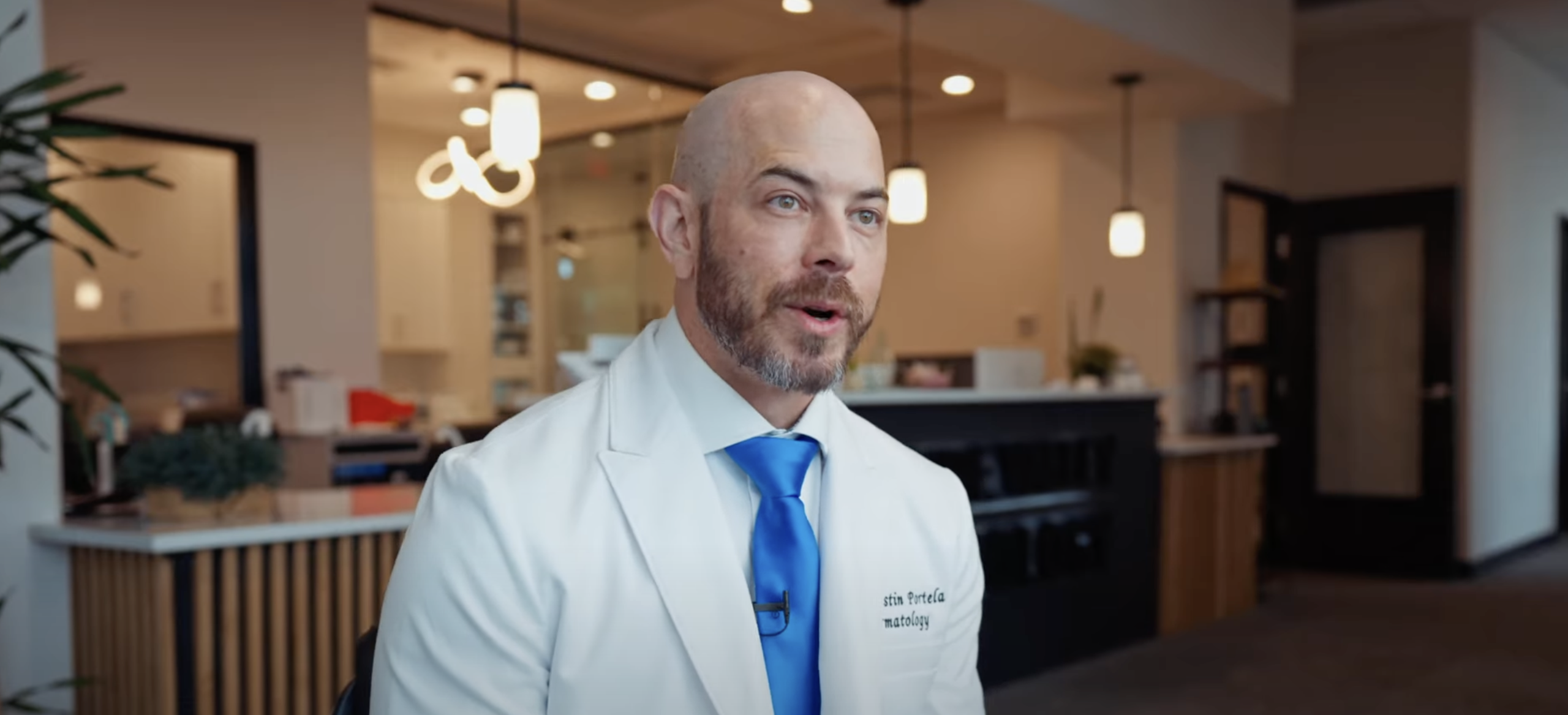
Boise's skin experts
We specialize in treating both children and adults with both common and uncommon skin problems. We treat acne, warts, hair loss, eczema, skin cancer, itchy skin, perform skin checks, have a comprehensive skin cancer prevention system and offer many more services.